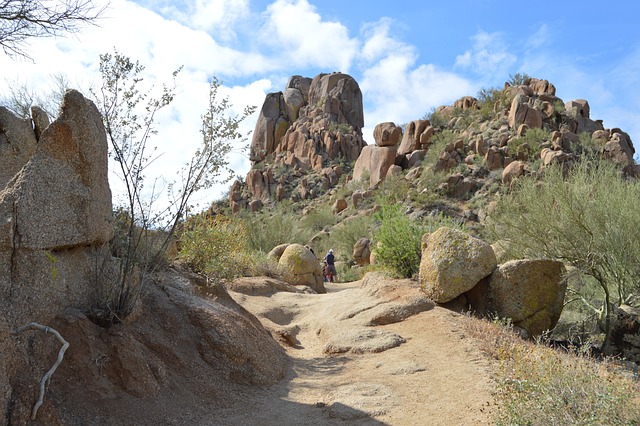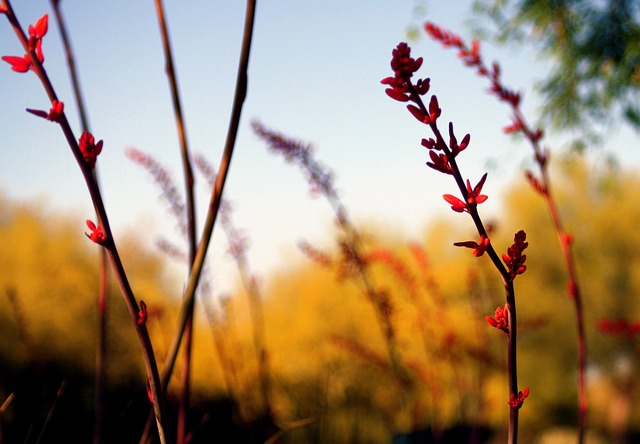
Desert cities are global real estate hot spots blending urban sophistication with tranquility. Their appeal stems from scenic beauty, diverse economies, strategic locations near natural wonders, and sustainable practices. Modern design trends fuse desert flair with contemporary aesthetics, driving market value. Mixed-use developments with smart, eco-friendly features capitalize on this trend. Integrated communities prioritize holistic living, community interaction, and access to daily necessities within walking distance, enhancing quality of life.
The dynamic interplay between urban development and desert landscapes presents a compelling challenge for real estate professionals. In a world where metropolises expand into arid regions, creating upscale, livable spaces becomes an art form. This article delves into the strategies and innovations that are transforming desert areas into thriving communities, showcasing how real estate can naturally harmonize with—rather than combat—the unique beauty of these environments. By exploring successful models and best practices, we aim to equip professionals with insights to navigate this intricate landscape, fostering sustainable growth while preserving the desert’s innate charm.
Unveiling the Desert City's Allure: A Real Estate Perspective

In the heart of the desert, sprawling metropolises have emerged as captivating destinations, blending urban sophistication with the tranquility of arid landscapes. This unique fusion has garnered global attention, particularly in real estate circles, as investors and residents alike are drawn to the allure of these cities. The desert city’s appeal lies not only in its scenic beauty but also in the robust and diverse economic opportunities it offers, making it an attractive prospect for both local and international markets.
Real estate professionals recognize the potential inherent in these urban oases. For instance, cities like Las Vegas have experienced significant growth, with property values appreciating steadily over the past decade. This phenomenon is attributed to a thriving entertainment industry, robust tourism, and a diverse economy that attracts professionals from various sectors. As a result, modern architectural marvels stand side by side with historic landmarks, creating a vibrant urban fabric. The strategic location of these desert cities also plays a pivotal role; they often serve as gateways to natural wonders, further bolstering their appeal for both permanent residents and seasonal visitors.
When considering real estate investments in such environments, it’s crucial to examine the city’s master-planned infrastructure projects. These initiatives ensure sustainable growth, efficient utilities, and enhanced livability. For example, cities like Phoenix have implemented comprehensive water conservation measures while developing modern amenities, making them desirable locations for eco-conscious buyers. Moreover, the availability of high-speed internet and technological advancements positions these desert metropolises as ideal hubs for startups and tech industries, further diversifying their real estate markets and driving economic growth.
Architectural Gems: Design Trends Shaping Urban Landscapes
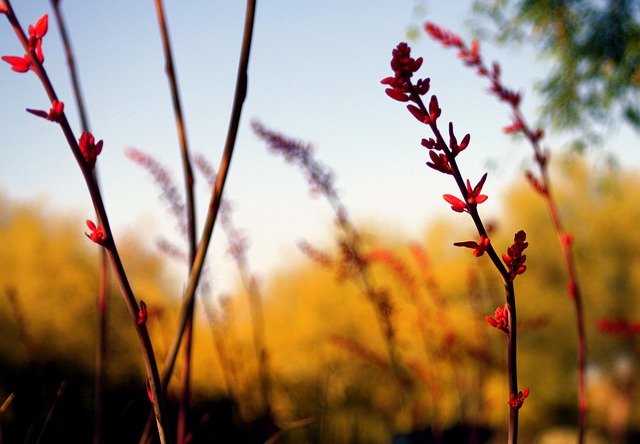
The modern urban landscape is a canvas where architectural gems shine, and cities across the globe are embracing unique design trends that blend their cultural essence with contemporary aesthetics. One notable trend in upscale metropolises is the fusion of desert flair with urban design, creating spaces that are both visually stunning and contextually sensitive. This approach not only enhances the real estate market but also fosters a deeper connection between the city and its natural surroundings.
Architects and developers are drawing inspiration from the arid landscapes and cultural heritage of desert regions, incorporating elements such as open courtyards, expansive terraces, and materials like stone and terracotta. These designs not only mitigate the urban heat island effect but also provide residents with outdoor spaces that promote a sense of tranquility and harmony. For instance, cities like Dubai and Las Vegas have embraced this trend, integrating lush oases within their bustling metropolises. In these microclimates, residents can enjoy year-round greenery and a respite from the desert’s harsh conditions, thereby elevating the quality of life in urban areas.
From a real estate perspective, these architectural gems offer diverse benefits. They attract buyers and tenants seeking unique, sustainable, and aesthetically pleasing homes. Moreover, such properties often command premium prices due to their distinctive character and high-quality construction. To capitalize on this trend, developers should focus on creating mixed-use developments that seamlessly blend residential, commercial, and recreational spaces. Incorporating smart design elements, such as energy-efficient systems and sustainable landscaping, will further enhance the appeal of these properties and contribute to a more environmentally conscious urban future.
Beyond the Skyscrapers: Community and Lifestyle Integration
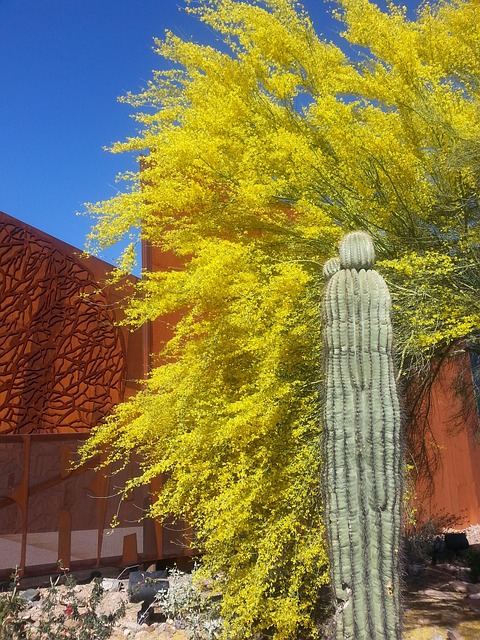
In the heart of modern cities, where skyscrapers pierce the sky, there exists a unique blend of urban sophistication and desert allure that captivates residents and visitors alike. Beyond the glitz and glamour of towering structures, these metropolises offer a rich tapestry of community integration and lifestyle enhancements, making them more than just concrete jungles. This focus on holistic living is a defining feature in the real estate landscape of such cities, fostering a sense of belonging and enhancing the overall quality of life.
Community engagement plays a pivotal role in shaping the identity of these urban centers. Developers and local authorities often collaborate to create vibrant public spaces that encourage interaction and social cohesion. From sprawling parks with scenic desert views to bustling community markets, these spaces serve as gathering points for residents from diverse backgrounds. For instance, cities like Las Vegas have transformed underutilized areas into cultural hubs, hosting regular art exhibitions, music festivals, and food fairs, fostering a sense of shared experiences and strengthening the fabric of the community.
Real estate naturally reflects this focus on community integration. Condominium complexes with shared amenities such as swimming pools, gyms, and community gardens encourage interaction among neighbors. Co-living spaces, another emerging trend, cater to a younger demographic by offering not just housing but also opportunities for collaboration and social activities. Moreover, mixed-use developments that blend residential, commercial, and retail spaces create thriving neighborhoods where residents can easily access daily necessities and enjoy a vibrant urban lifestyle, all within walking distance. These integrated communities contribute to a reduced carbon footprint and promote sustainable living patterns, further enhancing the appeal of desert-flaired cities.