The revitalization of arts districts through strategic planning, mixed-use developments, and collaboration drives urban renewal, fostering economic growth and cultural pride. Real estate developers play a key role by integrating artistic needs into property management, enhancing nearby areas, and attracting investors. This trend promotes vibrant communities, creative economies, and long-term prosperity, with public-private partnerships creating shared spaces for talent development.
The dynamic interplay between arts and real estate has emerged as a pivotal aspect of urban development, transforming cityscapes into vibrant cultural hubs. As cities strive to foster creativity and community engagement, the integration of expansive arts districts and galleries becomes increasingly vital. However, navigating this process presents challenges in balancing artistic vision with market demands. This article delves into the strategic planning and innovative solutions that can harness the potential of arts-focused real estate, revitalizing neighborhoods and cultivating thriving artistic communities. By exploring successful models and best practices, we offer valuable insights for urban planners, developers, and artists alike.
Unlocking the Potential: Arts District Revitalization

The revitalization of arts districts represents a powerful strategy for urban renewal, transforming underutilized spaces into vibrant hubs of creativity and cultural exchange. This process offers a unique opportunity to breathe new life into existing infrastructure while fostering economic growth and enhancing community engagement. By leveraging the potential of real estate, cities can create destinations that attract artists, galleries, and art enthusiasts alike, ultimately enriching the urban landscape.
One of the key drivers of successful arts district revitalization is strategic planning. Local governments and developers must collaborate to identify areas with historical artistic significance or underdeveloped cultural resources. For instance, converting former industrial sites into contemporary art spaces can catalyze regeneration while preserving a city’s architectural heritage. Careful consideration should be given to zoning regulations to accommodate diverse artistic practices and ensure accessibility for all. Data-driven approaches, such as market analysis and demographic studies, are essential to understanding the target audience and tailoring amenities accordingly. This might include mixed-use developments that seamlessly blend residential, commercial, and cultural spaces, fostering a thriving arts community.
Practical steps involve engaging artists and gallery owners in the development process, ensuring their needs and visions are integrated into the design. Collaborative initiatives can lead to innovative partnerships, where artists contribute to revitalizing the district while gaining exposure for their work. Marketing and branding play a crucial role; storytelling techniques can highlight the district’s unique character and attract visitors. Hosting regular events, exhibitions, and festivals not only generates buzz but also creates a sense of community ownership. Real estate developers can further support this by offering flexible leasing options, incentives for artistic tenants, and promoting long-term sustainability through responsible property management practices. By embracing these strategies, cities can unlock the full potential of their arts districts, fostering economic vitality and cultural pride.
Galleries as Gateways: Real Estate & Cultural Spaces
Galleries have evolved beyond their traditional roles as spaces to display art, becoming pivotal gateways that shape cultural landscapes and drive real estate dynamics. In recent years, the surge in arts districts across urban centers has underscored the profound impact these institutions have on surrounding communities and property values. For instance, in cities like New York and London, neighborhoods renowned for their vibrant gallery scenes have experienced significant revitalization, attracting investors and fostering a thriving creative ecosystem.
Real estate developers and investors increasingly recognize the symbiotic relationship between arts spaces and property value. Galleries attract a diverse range of art enthusiasts, collectors, and cultural workers, creating a dynamic urban environment that enhances the desirability of nearby residential and commercial properties. This phenomenon is particularly evident in emerging arts districts where gallery openings and exhibitions serve as catalysts for neighborhood transformation. As these areas gain prominence, real estate opportunities flourish, with landlords and developers keen to capitalize on the growing demand for unique, culturally rich spaces.
From a strategic perspective, incorporating galleries and cultural institutions into urban planning can drive sustainable economic growth. Cities that actively nurture arts districts benefit from increased tourism, cultural events, and a thriving creative sector. Moreover, these areas become magnets for talent, fostering a vibrant community of artists, curators, and art professionals. For real estate professionals, understanding this intersection between arts and property is essential for making informed decisions. Investing in or developing spaces adjacent to notable galleries can offer lucrative opportunities, ensuring properties remain at the heart of cultural conversations and community engagement.
Community & Commerce: Sustaining Creative Hub
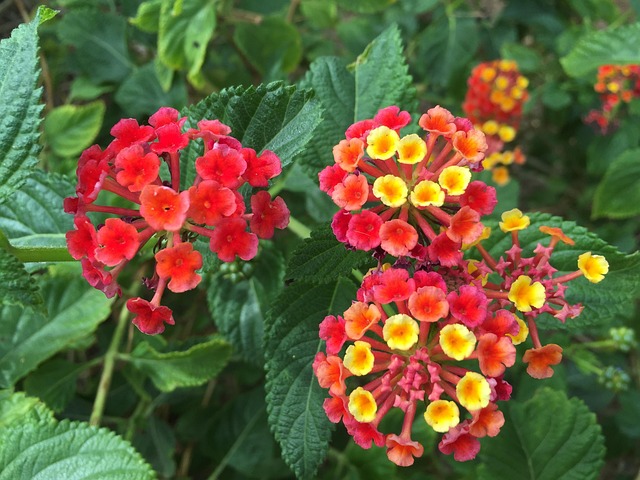
The expansion of arts districts and galleries has become a defining trend in urban development, fostering vibrant communities and cultivating creative economies. At the heart of this transformation lies a symbiotic relationship between community engagement and commercial viability, crucial for sustaining these cultural hubs over time. Successful integration ensures that artistic spaces not only thrive artistically but also contribute to the economic and social well-being of surrounding neighborhoods.
Real estate plays a pivotal role in this dynamic. Developers and investors who recognize the unique value arts districts bring can strategically invest in mixed-use properties, blending residential, commercial, and cultural spaces. For instance, revitalized warehouse districts often become hotspots for artists, attracting businesses that cater to their needs, such as art supply stores, galleries, and creative service providers. This diverse mix not only enhances the local culture but also drives economic growth through increased foot traffic and tourism. According to a recent study, arts and cultural districts contribute significantly to local GDP, with visitors spending more on accommodations, dining, and entertainment compared to other urban areas.
To harness this potential, community leaders and real estate professionals must collaborate closely. Planning initiatives should prioritize the preservation of historic architecture while incorporating modern amenities to cater to contemporary artistic practices. Public-private partnerships can facilitate the development of shared spaces, such as artist residencies, studios, and exhibition halls, fostering collaboration and nurturing emerging talents. By embracing this collaborative approach, cities can create sustainable arts districts that not only enrich their cultural fabric but also drive long-term economic prosperity through real estate investments and enhanced community engagement.