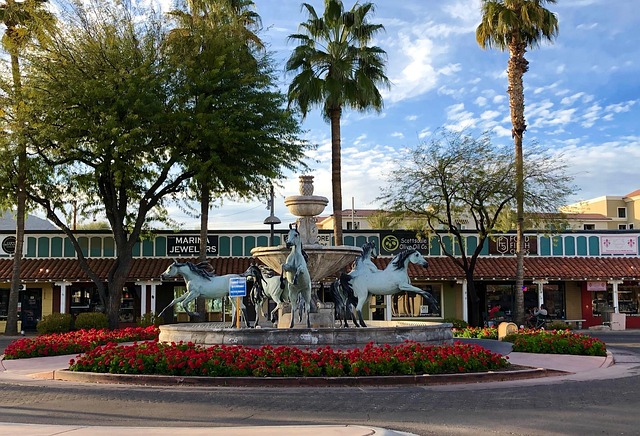
Vibrant downtown areas, with their bustling entertainment districts, drive real estate trends through lively nightlife and cultural attractions. Mixed-use buildings blending residential, retail, dining, and entertainment spaces cater to diverse lifestyles, enhancing urban environments and community well-being. Nightlife venues like bars and music halls revitalize neglected spaces, attracting residents and visitors, boosting property values, and shaping cities' unique characters for global competitiveness.
Discover the pulsating heart of the city—where lively nightlife and vibrant downtown scenes intertwine with dynamic real estate trends. Explore the hottest hotspots that define urban entertainment, from buzzing bars to iconic clubs. Uncover how nightlife revitalizes neighborhoods, attracting diverse audiences and fostering community. Dive into the transformative power of these bustling districts on local real estate markets, as we navigate the captivating interplay between vibrant nightlife and lucrative investment opportunities.
Downtown's Vibrant Nightlife Hotspots Unveiled

Downtown areas, with their bustling energy and lively nightlife, have become the pulsing hearts of many cities, attracting folks from all walks of life. These vibrant landscapes offer more than just a place to unwind after a long day; they are destinations in themselves, brimming with unique character and endless entertainment options. For real estate enthusiasts and urban adventurers alike, exploring these hotspots can unveil a world of possibilities.
From trendy cocktail lounges nestled in historic buildings to lively music venues that echo with the beats of local artists, every corner of the downtown scene invites you to immerse yourself in the city’s pulsating heartbeat. These vibrant nightlife spots not only cater to diverse tastes but also contribute to the area’s overall allure, making it a desirable location for both residents and visitors seeking memorable experiences.
Real Estate Trends in Bustling Entertainment Districts
In bustling entertainment districts, real estate trends are shaped by the dynamic nature of vibrant downtown scenes. As folks flock to areas teeming with lively nightlife and cultural attractions, property values tend to surge. Investors and developers recognize the potential for high returns, leading to a surge in the construction of mixed-use buildings that blend residential spaces with retail, dining, and entertainment options. This integration creates walkable communities where residents and visitors alike can easily access amenities, fostering a thriving urban environment.
The real estate landscape in these districts is characterized by innovative designs that cater to diverse lifestyles. Modern lofts and condos are popular among young professionals and artists, while historic buildings converted into luxury apartments appeal to those seeking a unique urban living experience. The trend towards mixed-use developments also includes the incorporation of green spaces and outdoor amenities, reflecting a growing emphasis on sustainability and community well-being in today’s vibrant downtown scenes.
Transforming Urban Spaces: Nightlife's Impact on Real Estate

The transformation of urban spaces is often directly tied to the energy and vibrancy brought on by lively nightlife. As cities evolve, their downtown areas become hotspots for social interaction, attracting a diverse range of residents and visitors alike. This influx contributes to the real estate market’s dynamic nature, with property values rising in close proximity to popular nightlife destinations. The transformation isn’t just physical; it creates a sense of community and fosters economic growth, making these areas highly desirable for both living and investing.
Nightlife venues, from trendy bars to live music halls, play a pivotal role in this metamorphosis. They breathe life into once-neglected urban spaces, encouraging foot traffic and sparking interest from developers. The result is often a blend of residential, commercial, and entertainment districts, enhancing the overall appeal and livability of the area. This shift not only revitalizes cities but also shapes their unique character, ensuring they remain competitive in the global market while catering to the needs and desires of modern urban dwellers.