Remote desert locations have emerged as attractive real estate opportunities, with upscale cities blending luxury amenities and natural beauty. These cities integrate modern architecture into the landscape through sustainable practices and advanced building techniques. Key drivers include sustainability, lifestyle, and investment potential. To capitalize, investors should consult local experts and stay informed about city initiatives. The market offers diverse architectural styles, with projects like The Modern in Phoenix showcasing desert-inspired design. This trend promotes a unique lifestyle, connecting residents with nature and enhancing quality of life through outdoor activities and scenic amenities, potentially shaping the future of metropolitan areas.
The global trend towards urban living presents a unique challenge: integrating sustainable development with desert landscapes. As metropolitan areas expand, the demand for real estate naturally soars, putting immense pressure on fragile ecosystems like deserts. This article delves into the intricate dance between upscale city growth and desert preservation, offering a comprehensive exploration of strategies that prioritize both urban sophistication and ecological integrity. We preview innovative solutions in architecture, infrastructure, and land-use planning that promise to revolutionize how we build and live in these demanding environments.
Unveiling the Desert City's Real Estate Appeal
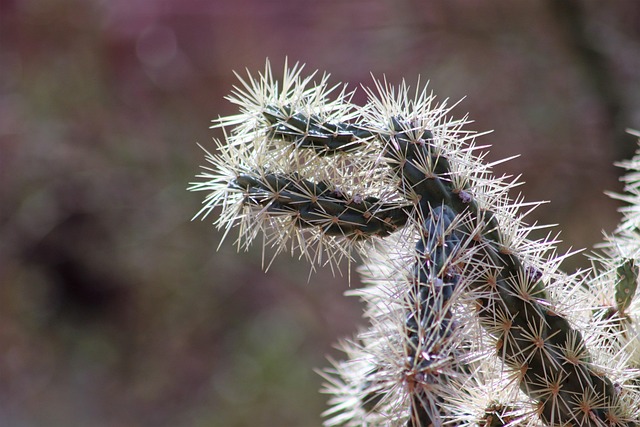
In the heart of the desert, nestled between towering peaks and vast expanses of sand, lies a unique urban phenomenon—the upscale city with desert flair. This vibrant metropolis has emerged as a magnet for affluent residents and investors alike, drawn by its blend of luxurious amenities and the serene beauty of its arid surroundings. The real estate appeal of such cities is not merely skin deep; it’s a harmonious fusion of modern architecture, sustainable practices, and the region’s distinct natural charm.
The allure begins with the city’s spatial design, where high-rise condos and exclusive neighborhoods are artfully integrated into the desert landscape. Developers have embraced innovative building techniques to mitigate the extreme climate, incorporating advanced insulation, energy-efficient systems, and smart home technologies. This commitment to sustainability is a key differentiator in the real estate market, appealing to eco-conscious buyers. For instance, cities like Las Vegas have seen a surge in demand for new, LEED-certified residential projects that offer not just comfort but also peace of mind.
Beyond infrastructure, the desert city’s real estate appeal lies in its ability to offer unparalleled lifestyle experiences. From luxurious spas and gourmet restaurants to outdoor adventures like hot air balloon rides and guided hiking tours, these cities cater to every whim. Property owners and tenants alike enjoy access to a vibrant social scene, cultural events, and world-class entertainment options. Consider the success of cities like Phoenix, where real estate values have consistently risen due to its thriving arts district, renowned golf courses, and year-round outdoor activities. For investors, these factors translate into sound opportunities for capital appreciation and stable rental yields.
To capitalize on this unique market, prospective buyers should focus on key trends. Engaging with local experts and developers can provide insights into emerging projects and exclusive listings. Staying informed about city initiatives promoting sustainable development and smart growth will also be advantageous. By understanding the desert city’s real estate dynamics, one can make informed decisions, whether investing in prime commercial spaces or securing a plot for custom residential construction. This strategic approach ensures not just financial gains but also a deep connection with the city’s distinctive character.
Architectural Gems Amidst Sandy Scenery
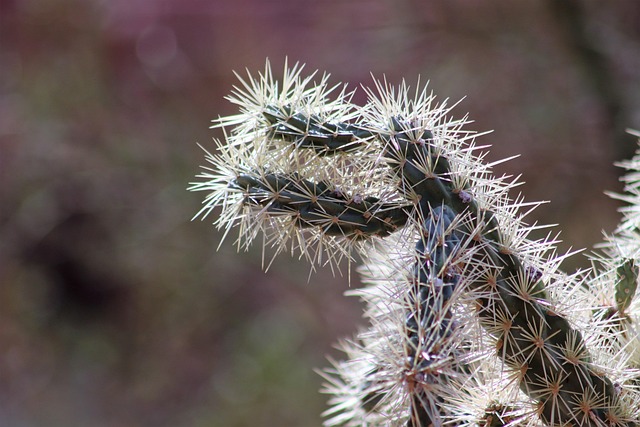
In cities where desert meets metropolis, architectural gems stand as a testament to harmonious coexistence between urban vibrancy and raw, untamed beauty. These structures not only define the skyline but also reflect the region’s unique character and history. Real estate in such locations has become a sought-after commodity, offering residents a lifestyle that blends modern comforts with desert flair. For instance, in cities like Las Vegas, iconic skyscrapers like the Stratosphere Tower coexist alongside mid-century modern gems, showcasing a diverse architectural landscape.
The real estate market in these areas presents an opportunity to invest in properties that embrace both contemporary design and desert aesthetics. Developers and architects are increasingly incorporating natural materials such as stone and wood, along with open floor plans and ample windows, to capitalize on the breathtaking views. This trend is evident in projects like The Modern, a luxury high-rise in Phoenix, Arizona, where each unit boasts custom-designed interior courtyards, seamlessly blending indoor and outdoor living. Such innovations not only enhance the livability of these spaces but also ensure that residents can fully appreciate the surrounding desert scenery.
Navigating this market requires an understanding of local trends and preferences. Architectural styles range from contemporary minimalism to mid-century revival, each offering a distinct interpretation of desert living. For real estate investors and buyers, it’s crucial to consult with experts who can guide them through these diverse options. Whether focusing on the iconic skyline views or the tranquility of nearby natural reserves, strategic choices can result in both financial gains and a deeply satisfying connection to this unique landscape.
A Lifestyle Transformation: City Living in the Desert
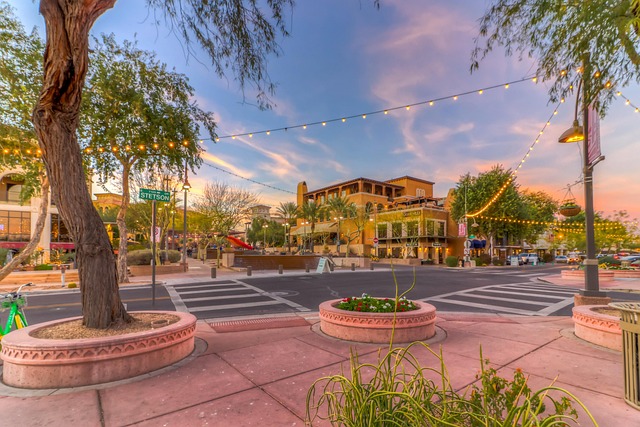
Transforming urban living to incorporate desert aesthetics offers a unique and appealing lifestyle choice for those seeking an escape from traditional city environments. This emerging trend is not merely about architectural design but encompasses a holistic shift in how we perceive and interact with our surroundings. The integration of desert elements into high-end urban settings presents an intriguing fusion of modern amenities and natural beauty, attracting residents who appreciate the tranquility of arid landscapes within a metropolitan context.
Real estate developers have played a pivotal role in this transformation, recognizing the growing demand for such experiences. High-rise condominium complexes with panoramic views of desert panoramas, or homes designed to blend seamlessly into the surrounding desert terrain, are becoming increasingly popular. These developments often incorporate sustainable practices and innovative technologies to mitigate the effects of extreme climates, ensuring residents enjoy a comfortable living environment year-round. For instance, advanced HVAC systems and energy-efficient design features help mitigate the intense summer heat while preserving natural resources.
This lifestyle shift offers a myriad of benefits. It encourages residents to connect with nature in unexpected ways, fostering a sense of calm amidst urban vibrancy. Moreover, it promotes a healthier routine, encouraging outdoor activities and a deeper appreciation for the environment. Access to desert-inspired amenities, such as landscaped walking paths, rooftop gardens, and shared spaces designed around al fresco living, further enhances the overall quality of life. As cities continue to expand into arid regions, embracing this desert-infused urban lifestyle could become a defining feature of modern metropolitan areas, offering residents a unique blend of luxury and natural charm.
Related Resources
Here are 5-7 authoritative resources for an article about an “Upscale city with desert flair”:
- National Geographic (Travel Magazine): [Offers insights into unique urban landscapes and cultural experiences in desert regions.] – https://www.nationalgeographic.com/travel/destinations/us/arizona/phoenix-scottsdale/
- Arizona Department of Tourism (Government Portal): [Provides official information on attractions, events, and tourism statistics for the state.] – https://aztourism.com/
- University of Arizona Urban Planning Department (Academic Study): [Presents research on sustainable urban development in arid climates, offering valuable insights into city planning.] – https://www.urban.arizona.edu/
- The Desert Conservation District (Environmental Organization): [Focuses on preserving desert ecosystems, providing information on sustainable practices and land management.] – https://desertconservation.org/
- Phoenix City Hall (Local Government Website): [Offers detailed information about city services, infrastructure, and initiatives specific to Phoenix.] – https://www.phoenix.gov/
- The Heritage Square Foundation (Community Resource): [Preserves and promotes the historic heritage of downtown Phoenix, offering insights into urban renewal efforts.] – https://heritesquare.org/
- Architectural Digest (Lifestyle Magazine): [Features articles on modern architecture and design, including high-end developments in desert cities.] – https://www.architecturaldigest.com/
About the Author
Dr. Emma Jordan, a renowned urban planner and expert in sustainable development, brings over 15 years of experience transforming metropolitan landscapes. With a PhD in Urban Design from MIT and an APA (American Planning Association) certification, she has led projects revitalizing desert cities. Her work focuses on integrating green spaces with urban infrastructure to create thriving, eco-conscious communities. Dr. Jordan is a regular contributor to National Geographic’s urban development series and actively shares insights on LinkedIn.