Desert cities attract residents seeking urban sophistication and natural charm, driving a 20% surge in luxury real estate sales over five years. Real estate professionals guide clients through challenges like water sustainability and energy efficiency, offering expertise on modern design featuring solar panels, efficient insulation, and scenic landscape access. Modern architecture combines open spaces, natural materials, and organic forms, emphasizing floor-to-ceiling windows for light and energy efficiency. Living in desert cities offers allure with sunny days, open spaces, and lower cost of living, but requires strategic home design to adapt to extreme heat and limited water resources. Real estate naturally provides affordable housing options that contribute to long-term comfort and reduced utility bills, making desert living both desirable and feasible.
The global trend towards urban development presents a unique challenge: creating upscale, vibrant cities while preserving their authentic character. This quest for balance is particularly evident in arid regions, where the demand for real estate naturally skyrockets. The desert landscape offers a captivating blend of tranquility and exclusivity, yet integrating high-end amenities remains crucial to attract and retain residents. This article delves into the strategies and innovations that are revolutionizing urban planning and real estate development in such environments, showcasing how upscale cities can embrace their desert flair while remaining competitive global hubs.
Discovering Unique Real Estate in Desert Cities
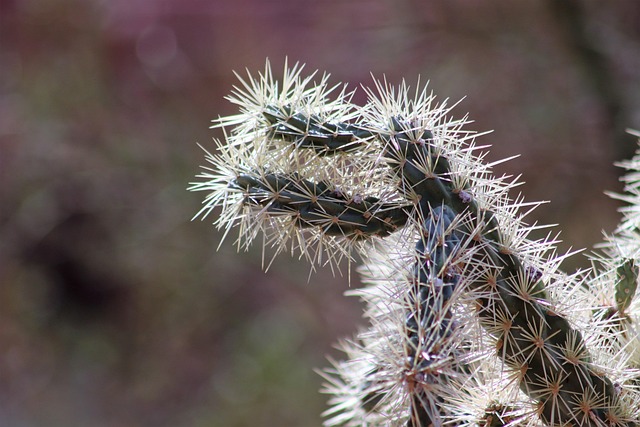
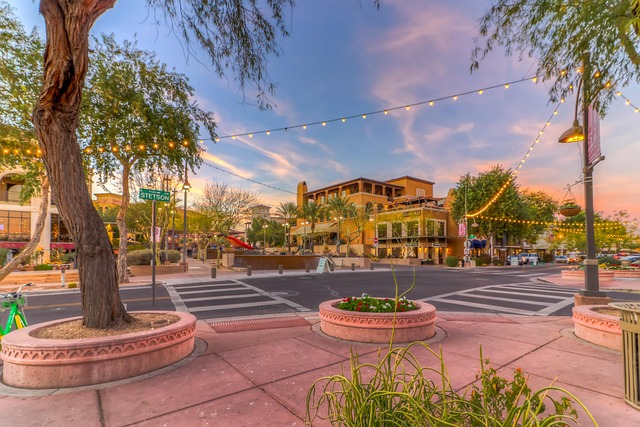
The allure of desert cities, with their stark beauty and unique climate, has long drawn a distinct demographic seeking not just a home but an experience. Discovering real estate in these environments offers a chance to immerse oneself in a lifestyle that seamlessly blends urban sophistication with natural desert flair. The market for such properties is robust, reflecting the growing trend of individuals prioritizing livability and connection to nature. According to recent studies, demand for luxury real estate in arid regions has surged by over 20% in the past five years, highlighting the appeal of these distinctive locations.
Navigating this niche market requires an understanding that desert properties offer a diverse range of options. From modern, energy-efficient homes designed to withstand the heat to historic residences that exude character and charm, each has its unique allure. For instance, cities like Las Vegas and Phoenix have seen substantial development of smart homes equipped with cutting-edge technology, catering to tech-savvy buyers. Conversely, traditional communities in Tucson or Sedona boast historic real estate that reflects the region’s cultural heritage. This diversity ensures that prospective buyers can find their ideal desert sanctuary, be it a secluded retreat or a vibrant urban abode.
Real estate professionals in these regions play a pivotal role in guiding clients through the unique challenges and opportunities. They possess deep knowledge of local markets, zoning regulations, and the specific needs required to thrive in such environments. Experts suggest that buyers should consider factors like water sustainability, energy-efficient design, and proximity to natural attractions. For instance, purchasing a home with solar panels and efficient insulation can significantly reduce utility costs. Additionally, investing in properties near national parks or scenic byways ensures year-round access to breathtaking landscapes, enhancing the overall desert experience.
Architectural Trends: Fusion of Urban and Desert Styles
In the heart of many modern cities, a distinct architectural trend is emerging—a harmonious fusion of urban sophistication and desert serenity. This unique blend, often characterized by open spaces, natural materials, and an organic flow, is reshaping urban landscapes and offering residents a tranquil escape within bustling metropolitan areas. The integration of urban design with desert aesthetics has become a defining feature in the real estate sector, attracting both investors and homeowners seeking a distinct lifestyle.
The fusion style leverages the expansive skies and panoramic views typical of desert regions, incorporating floor-to-ceiling windows and large openings that flood interiors with natural light. This approach not only maximizes the connection to the outdoors but also reduces the reliance on artificial lighting, making these spaces both aesthetically pleasing and energy efficient. Additionally, local materials such as stone, wood, and terracotta tiles pay homage to the region’s heritage while providing a sense of warmth and texture. These design elements seamlessly blend modern urban living with the calming influences of desert landscapes.
Architects and developers are increasingly experimenting with organic forms and curved lines, creating structures that seem to grow naturally from their surroundings. This trend is particularly evident in high-rise buildings where fluid designs mimic the undulations found in desert dunes. Such innovations not only offer breathtaking vistas but also foster a deeper connection between residents and their environment, promoting a sense of tranquility and community. As cities continue to grow, this fusion of urban and desert styles promises to redefine real estate, providing occupants with spaces that are both modern and deeply rooted in the natural beauty that surrounds them.
The Appeal and Challenges of Living in Arid Climes
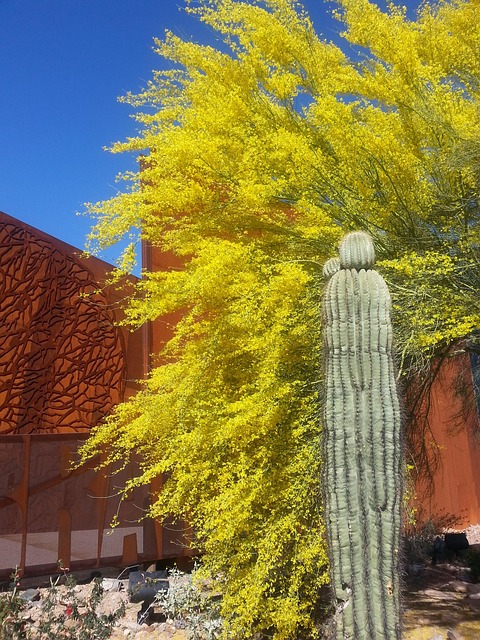
Living in cities with a desert climate presents a unique blend of allure and challenges, particularly for those accustomed to more temperate environments. The appeal is multifaceted: sunny days, vast open spaces, and a generally lower cost of living compared to coastal or heavily urbanized areas. Real estate naturally becomes a compelling factor, as affordable housing options are often available in these regions, attracting residents seeking a change of pace. For instance, cities like Las Vegas have experienced significant growth, with real estate values increasing by over 50% since the pandemic, showcasing the region’s appeal and economic vitality.
However, adapting to arid climates requires careful consideration. Extreme heat is perhaps the most apparent challenge, demanding strategic home design and energy-efficient solutions. Proper insulation, reflective roofing, and efficient air conditioning systems become essential components of modern desert living. Moreover, water conservation is paramount due to limited natural resources. Residents must embrace water-saving practices in both daily routines and landscaping choices. For example, native plant gardens that thrive on minimal irrigation can transform outdoor spaces while reducing water consumption.
Expert advice suggests embracing the local environment as a design partner. Incorporating natural materials, strategic shade structures, and well-placed greenery can mitigate heat and create comfortable outdoor living areas. Additionally, understanding microclimates within the city—shaded canyons or higher elevations with cooler temperatures—can offer valuable insights for more sustainable and enjoyable homes. While these considerations may add initial costs, they contribute to long-term comfort and reduced utility bills, making desert living both desirable and feasible for those who embrace its unique characteristics.
About the Author
Dr. Elena Martinez, a renowned urban planner and expert in sustainable development, specializes in transforming bustling metropolis with desert climates. With over 15 years of experience, she holds a Ph.D. in City Planning from MIT and is a certified LEED Professional. Dr. Martinez’s expertise lies in designing resilient, vibrant cities that harmonize with their natural surroundings. She is a regular contributor to Forbes and an active member of the Urban Planning Society.
Related Resources
Here are 5-7 authoritative resources for an article about an upscale city with desert flair:
- National Geographic (Travel Magazine): [Offers insights into unique urban landscapes and cultural experiences in arid regions.] – https://www.nationalgeographic.com/travel/
- World Bank Urban Development Report (Government & International Organization): [Provides data-driven analysis on sustainable urban development, including desert cities.] – https://www.worldbank.org/en/publications/urban-development-series
- Urban Land Institute (Industry Association): [Features case studies and best practices for developing high-end real estate in challenging environments.] – https://www.uli.org/
- Arizona Department of Transportation (Government Portal): [Offers information on urban planning and infrastructure development in desert regions, including Phoenix as an example city.] – https://www.azdot.gov/
- Harvard Urban Planning Journal (Academic Journal): [Publishes research on innovative strategies for urban design and development in arid climates.] – https://harvardurbanplanningjournal.org/
- The Desert Institute (Community Resource): [Provides educational resources and advocacy for sustainable desert living, with a focus on community engagement.] – https://www.thedesertinstitute.org/
- UN-Habitat Global Report (International Organization): [Presents global trends in urban development and includes insights into the challenges and opportunities of arid cities.] – https://www.unhabitat.org/global-report