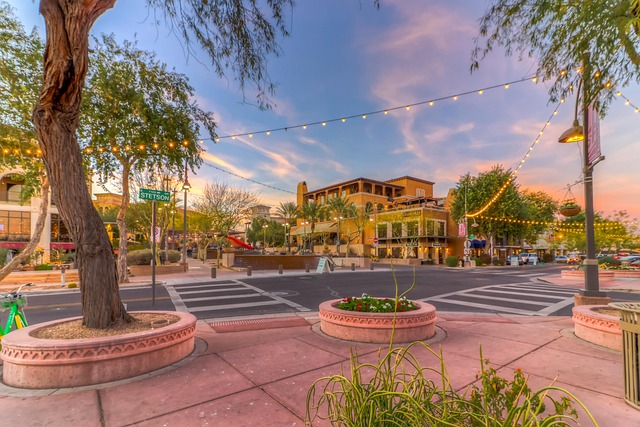
Luxury shopping and dining drive urban success, with real estate as a core enabler. Strategic locations, mixed-use developments, experiential retail, technology integration, and personalized services define successful luxury destinations. Iconic examples like New York's Fifth Avenue and Paris' Champs-Élysées showcase the power of real estate in creating global attractions. Urban planners should focus on walkable, transit-oriented environments with tech enhancements to drive community engagement and economic growth.
The global luxury market is a powerhouse, driving economic growth and transforming urban landscapes. Cities renowned for their shopping, dining, and lifestyle experiences often see real estate as the cornerstone of their success. However, with escalating costs and changing consumer preferences, maintaining these cities’ exclusivity while catering to diverse needs presents a challenge. This article delves into innovative strategies that revolutionize luxury retail and hospitality, exploring how real estate developers can adapt to create vibrant, inclusive spaces that thrive in today’s dynamic market. We offer insights into the future of urban luxury, ensuring its longevity and accessibility.
Unlocking Luxury Shopping Experiences: A Real Estate Perspective

The allure of luxury shopping has long been a defining characteristic of vibrant cities worldwide. As real estate professionals, we understand that the retail landscape plays a pivotal role in shaping urban destinations, attracting high-end consumers and fostering economic growth. In the realm of luxury retail, strategic location and innovative design are key drivers of success. For instance, consider the proliferation of high-end fashion houses in Manhattan’s Fifth Avenue or the exclusive boutiques lining Paris’ Avenue des Champs-Élysées—each a testament to the power of real estate in curating exclusive shopping experiences.
Unlocking exceptional luxury shopping experiences involves a meticulous approach that integrates architecture, urban planning, and consumer psychology. Real estate developers and investors can create game-changing destinations by carefully considering the mix of retail, residential, and entertainment offerings. For example, the development of high-rise luxury condominiums with private rooftop gardens and direct access to exclusive boutiques below offers an unparalleled lifestyle experience. Such integrated developments not only cater to the affluent but also elevate the overall ambiance of a city, attracting both residents and tourists alike.
Data suggests that affluent consumers are increasingly seeking immersive and personalized shopping journeys. According to recent market reports, luxury retailers are expanding their services beyond traditional stores, embracing experiential retail formats. Real estate opportunities arise in transforming underutilized spaces into pop-up markets, art galleries, or experiential pop-up stores that engage customers through interactive exhibits and limited-edition products. By fostering a sense of exclusivity and uniqueness, these strategies resonate with the desire for indelible experiences among today’s discerning shoppers.
In navigating this dynamic landscape, real estate professionals must stay abreast of emerging trends and consumer preferences. Embracing technology, such as virtual reality tours and interactive in-store apps, can enhance the shopping journey. Additionally, facilitating seamless access to services like personal styling, home delivery, and after-sales support ensures that luxury shopping experiences meet the highest standards of convenience and exclusivity. Ultimately, unlocking successful luxury retail destinations requires a deep understanding of market dynamics, consumer behavior, and innovative real estate strategies.
Dining Scene: Elevating Culinary Delights in Prime Locations

The dining scene in renowned luxury shopping destinations is a testament to the fusion of exquisite cuisine and prime real estate. These metropolitan hubs have cultivated an atmosphere where culinary artistry meets opulence, attracting both locals and tourists alike. The success of these destinations lies not only in their impressive offerings but also in the seamless integration of restaurants within the overall shopping experience.
Real estate plays a pivotal role in shaping the dining landscape. Prime locations with high foot traffic and prestigious addresses become magnets for top chefs and restaurateurs, who recognize the potential for both critical acclaim and financial success. For instance, cities like New York, London, and Paris have specific districts known worldwide for their gastronomic prowess, where restaurants are not just establishments but cultural destinations in themselves. This concentration of culinary talent and demand drives up real estate values, creating a positive feedback loop that enhances the overall dining experience.
To capitalize on this trend, property developers and investors should focus on strategic partnerships with renowned chefs and restaurant groups. Co-branding opportunities and exclusive leasing arrangements can bring world-class cuisine to sought-after locations. Moreover, designing spaces that blend modern aesthetics with cozy ambiance encourages patrons to linger longer, fostering a vibrant atmosphere that benefits both the restaurants and the surrounding retail environment. By understanding the symbiotic relationship between real estate and dining, professionals in the industry can create destinations that not only satiate palates but also elevate the art of living.
The Synergy of Retail and Real Estate: Driving Urban Transformations

The synergy between retail and real estate is a dynamic force driving urban transformations globally. Renowned shopping destinations and culinary hotspots act as magnets, attracting diverse populations and fostering vibrant cityscapes. In metropolitan areas worldwide, high-end retail and dining experiences have become pivotal in revitalizing underutilized spaces, spurring economic growth, and enhancing the overall quality of life. For instance, Manhattan’s Fifth Avenue and Beverly Hills’ Rodeo Drive are iconic examples where luxury brands and exquisite eateries have elevated entire neighborhoods into global tourist attractions, leveraging real estate as a key enabler.
This symbiotic relationship is underpinned by strategic planning and thoughtful design. Real estate developers often collaborate closely with retailers and restaurateurs to create mixed-use spaces that cater to diverse consumer needs and preferences. Such collaborative efforts can lead to innovative concepts, such as lifestyle centers, where retail, dining, and entertainment seamlessly integrate, offering a holistic experience for residents and visitors alike. Data from global real estate firm CBRE indicates that mixed-use developments command premium rents and occupancy rates, demonstrating the market’s preference for these integrated spaces.
To capitalize on this synergy, urban planners and developers must prioritize creating walkable, transit-oriented environments. Strategic placement of retail and dining hubs within pedestrian reach of residential areas fosters a sense of community and increases foot traffic. Additionally, leveraging technology to enhance the customer experience—from digital signage to seamless mobile payments—can further drive consumer engagement. For instance, Singapore’s Orchard Road has mastered this by implementing smart city solutions, transforming it into a bustling shopping and dining destination that seamlessly adapts to evolving consumer behaviors.