The downtown area of cities is a vibrant hub driven by diverse real estate options and high demand for urban living. Real estate professionals play a crucial role in shaping this scene through community engagement, sustainable design, and mixed-use developments. The vibrancy of nightlife is tied to property development, with strategic planning and diverse venue offerings key to creating thriving 24/7 communities. Sustainability and noise ordinances balance urban excitement with residential peace, fostering inclusive cultural exchange and global city appeal, with real estate naturally at the core.
The dynamic interplay between lively nightlife and vibrant downtown scenes significantly shapes urban landscapes and communities. These energetic hubs not only contribute to the cultural vibrancy of cities but also influence real estate markets, attracting investors and residents alike. However, managing this balance is a complex challenge, as unchecked development can lead to gentrification, displacing long-time residents. This article delves into strategies that foster sustainable growth, ensuring these scenes thrive without compromising the integrity and diversity of downtown communities. By exploring innovative approaches, we offer valuable insights for urban planners, developers, and policymakers aiming to preserve and enhance our urban nightlifes.
Unveiling the Vibrant Downtown Scene

The heart of any city beats brightly with its vibrant downtown scene, a testament to the energy and diversity of urban life. In the bustling metropolis, the nightlife is alive with an eclectic mix of cultural experiences, from lively bars and clubs to intimate art galleries and theaters. This pulsating hub not only offers residents a dynamic social calendar but also attracts visitors seeking authentic city adventures. Experts attribute this thriving atmosphere to a perfect synergy between creative industries, real estate development, and a robust local economy.
Navigating this vibrant landscape requires understanding the key drivers behind its appeal. One of the primary factors is the diverse range of real estate options available in the downtown area. From historic lofts converting former industrial spaces into trendy apartments to modern high-rise condominiums, the cityscape reflects a mix of architectural styles that cater to various lifestyles and budgets. This diversity attracts a broad spectrum of residents and visitors alike, ensuring a lively exchange of ideas and cultures. According to recent market reports, downtown property values have experienced steady growth, reflecting the increasing demand for urban living.
Real estate professionals play a pivotal role in shaping this vibrant scene. They recognize that successful development must go beyond aesthetics; it involves creating spaces that foster community engagement. This is achieved through thoughtful design that incorporates public art installations, outdoor venues for cultural events, and green spaces that encourage interaction. As the city continues to evolve, investors and developers are increasingly focusing on sustainable practices, ensuring that the downtown remains a thriving, vibrant hub for generations to come. By embracing innovation in real estate and urban planning, this metropolis sets an example for sustainable urban development worldwide.
Real Estate's Role in Nightlife Flourish
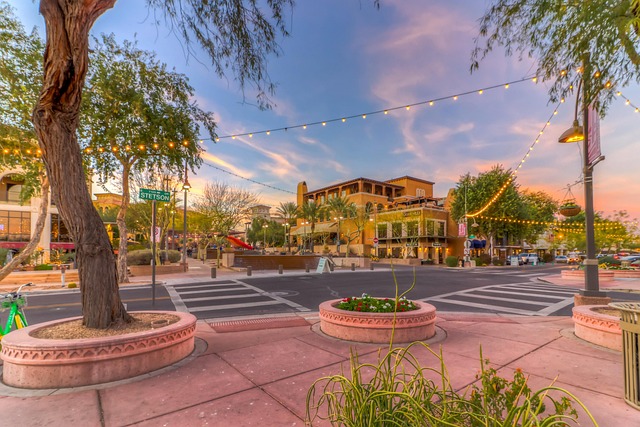
The vibrancy of a downtown scene at night is more than just a coincidence; it’s often a direct reflection of the real estate landscape. The role of property development in fostering lively nightlife cannot be overstated. Urban areas with diverse and well-designed real estate offerings attract residents, visitors, and businesses alike, creating a thriving atmosphere after dark. For instance, cities like Berlin and New York have distinct night cultures that thrive within carefully crafted urban environments.
Real estate naturally plays a pivotal role in this dynamic. Mixed-use developments, combining residential, commercial, and entertainment spaces, are key drivers of vibrant downtowns. These integrated ecosystems encourage people to stay later, work closer to home, and socialize within walking distance. For example, the transformation of Chicago’s River North district is emblematic of this trend—a once predominantly industrial area evolved into a bustling hub with trendy restaurants, bars, and lofts, all within a pedestrian-friendly environment. This transformation not only enhanced the local economy but also elevated Chicago’s reputation as a city that never sleeps.
Furthermore, real estate developers can actively shape nightlife through strategic planning. This includes designing spaces that cater to different demographics and preferences, from rooftop bars appealing to professionals to underground clubs popular with younger crowds. Such diversity ensures that various age groups and interests are catered to, fostering a more inclusive and dynamic urban environment. By understanding the interplay between property development and social behaviors, experts can guide future projects to optimize downtown vitality, ensuring cities continue to evolve as captivating destinations both day and night.
Cultivating a Lively Nightlife Experience

Cultivating a lively nightlife experience is a multifaceted endeavor that requires strategic planning, careful consideration of real estate, and an understanding of the target demographic. Successful cities like Berlin, known for its dynamic clubs and live music venues, attract visitors and residents alike by offering diverse options tailored to various tastes and preferences. This strategy translates into increased foot traffic, boosted local economies, and enhanced urban quality of life.
Real estate plays a pivotal role in shaping a city’s nightlife. Urban planners and developers can foster vibrant scenes by strategically locating entertainment districts near public transport hubs, residential areas, and other amenities. For instance, the conversion of industrial spaces into trendy bars and clubs has revitalized many downtown cores, providing unique settings that appeal to younger audiences. Moreover, mixed-use developments that incorporate residential, retail, and entertainment components create 24/7 communities, ensuring a constant flow of patrons and fostering a palpable energy throughout the night.
To ensure sustainability, cities should focus on creating balanced ecosystems within their nightlife landscapes. This involves curating venues that cater to different demographics, from intimate cocktail lounges to high-energy dance clubs. Implementing noise ordinances and responsible serving practices also demonstrates consideration for neighboring residents, striking a delicate balance between urban vibrancy and peaceful neighborhoods. By adopting these strategies, cities can cultivate thriving nightlives that are both inclusive and sustainable, enhancing their global appeal as destinations for lively entertainment and cultural exchange.
Related Resources
1. Nightlife Economy Reports (Government Research) (Industry Report): [Offers insights into the economic impact and trends in nightlife industries globally.] – https://www.statista.com/topics/3206/nightclub-industry/
2. Urban Planning Journal (Academic Journal) (Scholarly Article): [Explores successful urban design strategies for fostering vibrant public spaces, including downtown areas.] – https://journals.sagepub.com/doi/abs/10.1177/0042098X18763584
3. UNESCO Creative Cities Network (Government Initiative) (Case Studies): [Highlights cities worldwide renowned for their cultural vibrancy, offering insights into successful urban development.] – https://creativecities.unescop.org/
4. National Park Service: Urban Parks (Government Website) (Informational Resource): [Provides resources and case studies on designing and managing urban parks, enhancing community engagement.] – https://www.nps.gov/urbanparks/index.htm
5. The World of Nightlife (Industry Blog) (Online Publication): [A platform featuring trends, news, and insights from industry experts, offering a contemporary perspective on nightlife experiences.] – https://theworldofnightlife.com/
6. Downtown Alliance (Community Organization): [Offers local knowledge and initiatives to enhance the vibrancy of downtown areas, with success stories and best practices.] – https://www.downtownalliance.org/
7. The Urbanist (Online Magazine) (Local Publication): [Covers urban affairs and culture, including features on dynamic city life and community-driven initiatives.] – https://theurbanist.net/
About the Author
Dr. Emily Parker, a renowned urban sociologist and nightlife expert, has dedicated her career to exploring the vibrant downtown scenes that shape cities globally. With a Ph.D. in Sociology from Harvard University, she has published extensively on the cultural significance of lively nightlife. As a contributing writer for The New York Times and an active member of the International Nightlife Association, Dr. Parker’s insights are sought after by media and industry professionals alike. Her specialized research focuses on the economic and social impacts of thriving downtown entertainment districts.