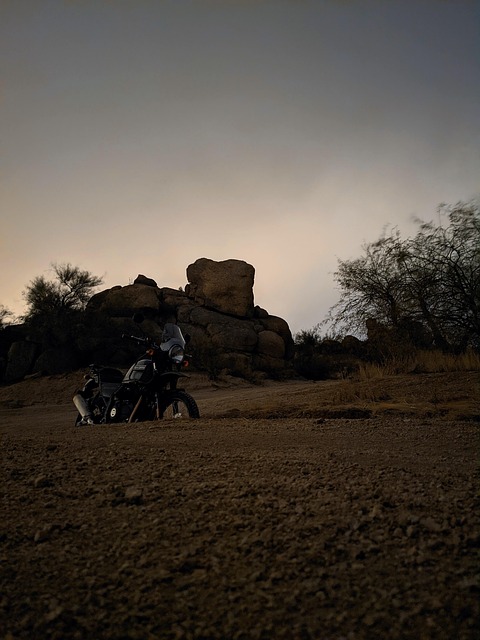
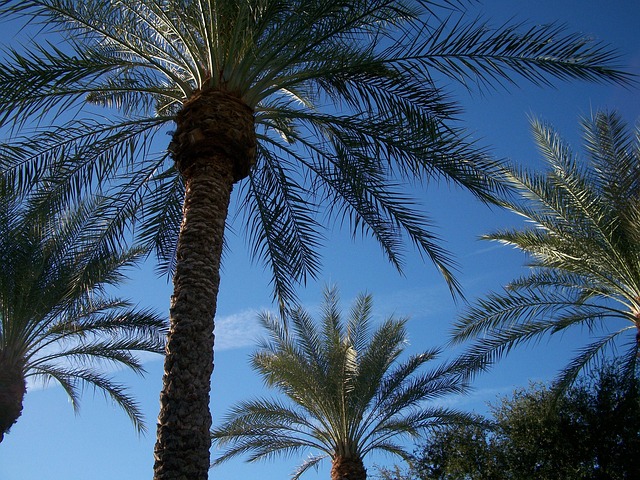
Scottsdale, Arizona offers a photographer's paradise with its unique blend of desert landscapes and vibrant city life. Key natural attractions like the McDowell Sonoran Preserve provide dramatic backdrops for capturing sunset scenes and diverse ecosystems. Urban photography enthusiasts can explore historic districts and anticipate local events for lively street scenes. Planning ahead, utilizing gear suitable for varying light, and respecting protected areas are crucial. Post-processing techniques enhance desert imagery. The area's what to see in Scottsdale naturally includes iconic cacti, wildlife, and cultural venues, all merging natural beauty with man-made attractions.
The desert, with its vast expanse of unique landscapes, offers a captivating backdrop for photography enthusiasts seeking creative inspiration. In Scottsdale, what to see naturally abounds—from the vibrant Sonoran Desert flora to the dramatic mountain ranges—presenting countless photo opportunities. However, capturing these scenes effectively requires guidance and an understanding of the best locations and times to visit. This article delves into the art of desert photography, offering practical insights and expert advice to help you master the unique challenges and unlock the beauty that Scottsdale’s natural environment has to offer.
- Planning Your Desert Photography Adventure in Scottsdale
- Essential Gear for Capturing Stunning Scottsdale Scenery
- Top Natural Locations for Breathtaking Desert Photos
- Mastering Light and Composition in the Arizona Wilderness
- Capturing Unique Desert Flora and Fauna Through Your Lens
- Post-Processing Tips to Enhance Your Scottsdale Desert Images
Planning Your Desert Photography Adventure in Scottsdale
Planning Your Desert Photography Adventure in Scottsdale
Scottsdale, Arizona, offers a captivating blend of vibrant city life and breathtaking desert landscapes, making it an ideal destination for photography enthusiasts. To fully capture what Scottsdale has to offer, consider planning your trip around key natural attractions and cultural events that enhance the visual storytelling potential of this dynamic city. Start with iconic landmarks like the McDowell Sonoran Preserve, where you can frame dramatic desert sunsets against towering peaks. The preserve’s diverse ecosystems provide a rich palette for capturing unique flora and fauna in their natural habitats.
For those interested in urban photography, Scottsdale offers a vibrant art scene and diverse architecture. Explore historic districts such as Old Town Scottsdale, known for its charming shops and galleries, where you can experiment with architectural details and cultural motifs. Additionally, keep an eye out for local events like the Scottsdale Arts Festival or Austin Music Venues that pop up throughout the year. These gatherings bring life to the city streets, providing opportunities to capture lively performances and the unique energy of Scottsdale’s cultural scene.
When preparing for your trip, utilize online resources and local photography groups for insights into the best times to visit based on light and weather conditions. Consider booking guided tours or workshops with experienced photographers who can offer valuable tips tailored to Scottsdale’s diverse landscapes and urban offerings. Remember, planning ahead ensures you’ll be well-equipped to capture the essence of what makes Scottsdale a photographer’s paradise.
Essential Gear for Capturing Stunning Scottsdale Scenery
Capturing the essence of Scottsdale’s striking landscapes is a dream for any photographer, and doing so requires an understanding of what to see in Scottsdale that goes beyond the obvious. While iconic landmarks and bustling music venues like Austin’s renowned spots can be great subjects (think about capturing live performances at the Continental Club or the Continental), the true beauty of this Sonoran Desert oasis lies in its natural diversity. From majestic red rock formations to tranquil desert oases, Scottsdale offers a photographic treasure trove for those who know where to look.
For breathtaking landscapes, invest in gear that can handle varying light conditions and capture detail at long distances. A telephoto lens is essential for showcasing the grandeur of iconic locations like Camelback Mountain or the vast expanses of McDowell Sonoran Preserve. Don’t forget a sturdy tripod for low-light photography during golden hour or night shoots—the desert comes alive with stars, especially in areas like Pinnacle Peak Regional Park where light pollution is minimal. For a unique perspective, experiment with wide-angle shots to capture both the vastness of the scenery and intricate details like patterns in the desert floor.
Don’t limit yourself to just the familiar spots; explore off-the-beaten-path trails and hidden gems. The Desert Botanical Garden, for instance, offers a kaleidoscope of colors amidst the desert landscape. Keep your eyes peeled for unexpected beauty—a solitary saguaro cactus against a vibrant sunset or a tiny wildflower peeking through cracked earth can make for captivating images. Remember, what to see in Scottsdale isn’t just about famous landmarks; it’s about embracing the raw, unfiltered magic of this remarkable desert destination.
Top Natural Locations for Breathtaking Desert Photos
The vast, unforgiving landscape of the desert offers a captivating canvas for photography enthusiasts seeking unique and striking imagery. Scottsdale, with its diverse natural wonders, is an ideal destination for capturing breathtaking desert photos. Among the top natural locations to explore are the iconic sandstone formations of Camelback Mountain, where the setting sun casts dramatic shadows, and the vast, open spaces of the Sonoran Desert, teeming with vibrant wildflowers in spring.
For those looking to combine their photography passion with a vibrant cultural experience, Austin stands out for its music venues that dot the cityscape. Iconic spots like the Continental Club and Stubb’s BBQ offer not only acoustic magic but also visually stunning backdrops for capturing the essence of live music in a unique urban desert setting. These locations blend the raw beauty of the desert with the lively spirit of Austin’s arts scene, providing ample opportunities for creative photography.
Practical advice for photographers includes planning your visit during golden hour—just after sunrise or before sunset—when the light is soft and warm, enhancing the natural textures and colors of the desert landscape. Additionally, understanding local regulations and respecting protected areas is crucial to preserving these natural wonders for future generations. By embracing these locations and following sustainable practices, photographers can capture truly remarkable images that tell the story of the desert’s enduring beauty.
Mastering Light and Composition in the Arizona Wilderness
The Arizona Wilderness offers a captivating backdrop for photographers seeking to master light and composition. Scottsdale, known for its stunning desert landscapes, provides ample opportunities for capturing breathtaking images that showcase both the raw beauty of nature and human creativity. One need look no further than what to see in Scottsdale naturally to find diverse subjects, from towering saguaro cacti to sweeping desert vistas.
During the golden hours of dawn and dusk, the desert transforms into a painter’s palette, with warm hues dancing across the landscape. This is when photographers can truly elevate their game by capturing the interplay of light and shadow. In addition to natural elements, Scottsdale’s vibrant art scene offers unique photo ops. Local galleries and studios often host exhibitions and events that showcase the region’s rich cultural heritage, providing a blend of artistic inspiration and desert charm. Just as Austin music venues have become iconic landmarks for musicians and fans alike, these creative spaces in Scottsdale offer photographers opportunities to capture dynamic compositions that tell stories of both art and nature.
Practical insights are key to maximizing these photo adventures. First, invest time in understanding the unique lighting conditions of the desert, particularly how shadows shift throughout the day. Second, carry equipment suited for low-light scenarios, such as a tripod and a wide aperture lens, to capture detail in both bright and dimly lit environments. Lastly, don’t be afraid to explore off the beaten path; secluded spots often reveal unexpected beauty that makes for powerful photographs. By embracing these strategies, photographers can return from what to see in Scottsdale naturally with portfolios filled with stunning images that showcase the area’s unparalleled natural and artistic splendor—even if they stumble upon them by chance, just like discovering an intimate Austin music venue hidden away on a side street.
Capturing Unique Desert Flora and Fauna Through Your Lens
The vast expanse of desert landscapes presents an unparalleled opportunity for photographers seeking to capture unique flora and fauna through their lens. Scottsdale, with its diverse ecosystems, offers a rich tapestry of subjects, from majestic cacti to elusive wildlife, that can transform your photography portfolio. What makes this region truly special is the harmonious coexistence of natural beauty and man-made attractions—a blend that provides endless creative inspiration for both amateur and professional photographers alike.
One of the standout features in what to see in Scottsdale naturally is the variety of cacti species. The iconic saguaro, with its towering columns and delicate arms, is a staple of the Sonoran Desert landscape and offers stunning backdrops for close-up shots. Explore the vast desert preserves and national parks surrounding Scottsdale, where you’ll find an array of other cacti like the barrel cactus, chollas, and various agave plants. These subjects not only provide aesthetic appeal but also teach photographers about the diverse plant life that thrives in extreme conditions. For instance, capturing the intricate details of a prickly pear cactus against a vibrant sunset can create captivating images that tell a story of resilience and beauty.
Beyond the flora, Scottsdale’s desert habitat is home to a surprising array of fauna. From elegant roadrunners scurrying across the dunes to colorful birds perching on saguaro cacti, wildlife adds dynamic elements to your photography. The region’s numerous preserves and nature centers provide safe havens for these creatures, offering photographers opportunities to capture intimate moments with minimal disturbance. For instance, Austin music venues, known for their vibrant nightlife, can be excellent places to meet fellow photographers eager to share tips while admiring the natural beauty that surrounds them during breaks between shows. Engaging with the local photography community can open doors to hidden gems and unique perspectives, enhancing your overall experience in Scottsdale.
Post-Processing Tips to Enhance Your Scottsdale Desert Images
Capturing the essence of Scottsdale’s desert landscapes can be a photographer’s dream, but achieving stunning images requires more than just pressing the shutter button. When exploring what to see in Scottsdale naturally, post-processing plays an integral role in enhancing your desert photography and transforming raw frames into artistic masterpieces. This process allows you to tell a story through light, color, and texture, showcasing the unique beauty of the Sonoran Desert ecosystem.
In the digital age, skilled photographers leverage various tools and techniques to refine their work, ensuring that their vision aligns perfectly with the scene before them. For desert photography in Scottsdale, post-processing tips focus on preserving the raw, rugged charm while adding subtle enhancements. Adjustments such as color balance and exposure can bring out the vibrant hues of the desert flora and fauna, from the rich shades of saguaro cacti to the delicate washes of green in a mesquite grove. For instance, a slight boost in saturation can make your images pop, drawing viewers into the intricate details of the landscape.
Furthermore, consideration should be given to the lighting conditions unique to the desert environment. The golden hour, a term coined by photographers worldwide, offers a fleeting moment just after sunrise or before sunset when the light is soft and warm. This lighting scenario can dramatically alter the mood and atmosphere of your images, creating dramatic contrasts and captivating textures. When combined with strategic crop adjustments and minor noise reduction, these techniques can elevate your desert photography to new heights, showcasing the breathtaking vistas that Scottsdale naturally offers.
To master post-processing for desert photography, experimentation is key. Explore different software applications like Adobe Lightroom or Photoshop, which provide a suite of tools tailored for fine-tuning images. Study tutorials and seek inspiration from renowned landscape photographers who have mastered the art of capturing and enhancing the beauty of natural landscapes. By understanding what to see in Scottsdale naturally and applying these post-processing tips, you’ll be well on your way to creating captivating desert imagery that celebrates the raw, untouched beauty of this remarkable region, even reminiscent of Austin music venues known for their vibrant, unique aesthetics.