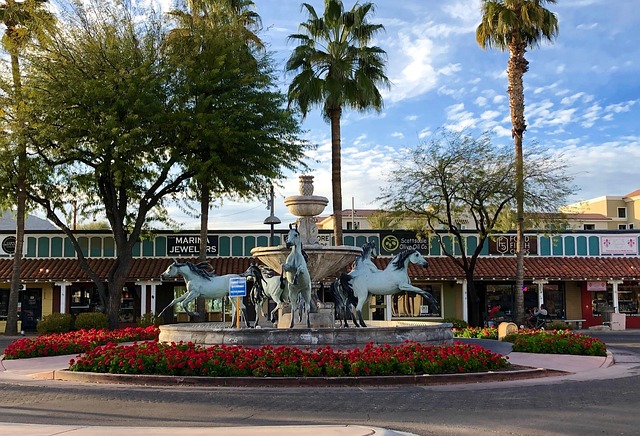
The global luxury retail industry shifts from product sales to immersive cultural experiences, driven by strategic real estate investments. Key insights include: data-driven location choices, narrative-focused brand experiences, pop-up stores, partnerships with local artists, and blending gastronomy with real estate. Real estate development transforms cities into destinations through curated shopping districts that blend high-end retailers, gourmet dining, and luxurious amenities. This strategy creates 24/7 economic activity, with a focus on unique customer experiences and accessible transport. By partnering with chefs, real estate investors can capitalize on the growing demand for culinary adventures.
The global luxury market is a formidable force, with retail and dining experiences commanding significant attention. Real estate, naturally, plays a pivotal role in shaping these prestigious landscapes. However, the current landscape presents challenges: balancing exclusivity with accessibility and ensuring these experiences are truly immersive and personalized. This article delves into innovative strategies that redefine luxury real estate, offering exclusive insights on how developers and designers are transforming spaces to cater to discerning tastes, while enhancing community engagement and fostering sustainable growth.
Unveiling Luxury Retail: A Global Destination

Unveiling Luxury Retail: A Global Destination
The world of luxury shopping and dining has evolved into a sophisticated global industry, attracting connoisseurs and enthusiasts from across borders. Renowned for its exquisite offerings, this sector is not merely about products and experiences; it’s a cultural phenomenon that reflects the essence of a location. The art of luxury retail lies in curating environments that transcend conventional shopping spaces, becoming destinations in themselves. These destinations aren’t just about prime locations and impressive architecture; they leverage real estate as a strategic tool to create immersive brand experiences. For instance, high-end fashion houses have transformed their flagship stores into grand landmarks, blending art, design, and lifestyle, thereby drawing both locals and tourists.
Navigating this landscape requires an understanding of consumer behavior and market trends. Top luxury retailers employ data analytics to identify emerging preferences and tailor their real estate investments accordingly. They seek locations that offer a blend of exclusivity, accessibility, and cultural relevance. For example, the affluent neighborhoods of major cities like New York, Paris, and Tokyo have become magnets for high-end retail, leveraging prime real estate to create exclusive shopping districts. However, the rise of experiential retail has shifted focus towards destinations that promise unique, memorable journeys—a trend accelerated by the digital age.
Experts suggest that the future of luxury retail lies in creating immersive, narrative-driven experiences within curated spaces. This involves strategic partnerships with local artists and designers to craft environments that resonate with diverse tastes. Real estate developers play a pivotal role in this evolution by offering flexible leasing options and innovative design frameworks. By embracing this approach, retailers can foster deeper connections with their clientele, ensuring longevity and sustained success in the competitive global market. For instance, pop-up stores and temporary installations have gained popularity, providing dynamic retail experiences that keep customers engaged and eager for more.
Dining Experiences: Elevating Gastronomy in Prime Locations

The culinary landscape of renowned luxury shopping destinations is a testament to the intricate interplay between real estate, gastronomy, and customer experience. Prime locations, with their high-end real estate, have become magnets for top chefs and Michelin-starred restaurants, attracting food enthusiasts from around the globe. This trend is not merely about attracting tourists; it’s a strategic move by cities to position themselves as cultural hubs, leveraging dining experiences as a key pillar of their economic success. For instance, Manhattan’s Upper East Side, with its exclusive real estate, boasts an array of sophisticated restaurants that cater to the sophisticated palates of locals and visitors alike.
Elevating gastronomy in these prime locations involves more than just securing top culinary talent. It requires a deep understanding of the local market and a keen eye for trends. Real estate developers and restaurateurs must collaborate to create spaces that not only accommodate dining but also foster an ambiance that enhances the overall experience. This could mean integrating outdoor seating areas, leveraging natural light, or designing interiors that reflect the restaurant’s unique brand identity. The success of such ventures is evident in cities like Paris, where iconic eateries like Le Jules Verne offer not just exquisite cuisine but also breathtaking views, transforming the dining experience into a multi-sensory journey.
Data supports the growing importance of these elevated dining experiences. According to a recent study, the luxury hospitality sector, driven significantly by high-end dining, is projected to grow at a CAGR of 7% globally through 2025. This growth is attributed to the increasing demand for unique and immersive culinary adventures among travelers. To capitalize on this trend, real estate investors should consider partnerships with reputable restaurant groups and chefs, ensuring that their properties become destinations in themselves. By fostering collaborations that blend exceptional cuisine with prime real estate, cities can solidify their positions as global gastronomic capitals, attracting a diverse range of diners seeking unforgettable dining experiences.
Real Estate's Role: Crafting Iconic Shopping Districts
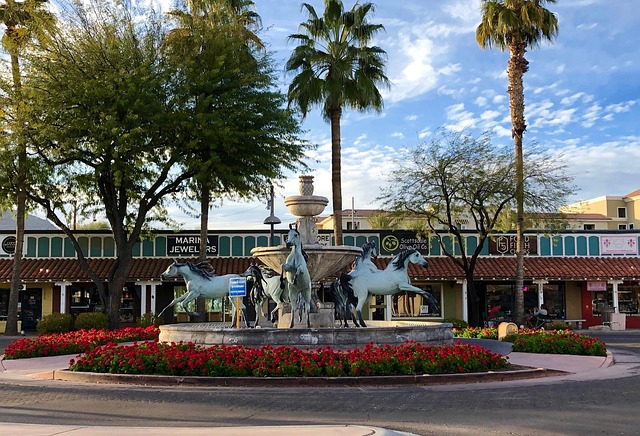
The real estate sector plays an instrumental role in shaping cities into global destinations renowned for luxury shopping and dining experiences. Iconic shopping districts around the world are not just geographic locations but meticulously crafted environments that attract millions of visitors annually, contributing significantly to local economies. Developers and urban planners understand that curating a vibrant mix of high-end retailers, gourmet restaurants, and luxurious amenities is key to fostering a thriving urban center. For instance, New York City’s Fifth Avenue and Paris’ Champs-Élysées have become global symbols of opulence and style, drawing in tourists and locals alike with their exclusive brand offerings and culinary delights.
Real estate naturally becomes the canvas upon which these districts are painted. Strategic planning involves selecting prime locations with optimal foot traffic, accessible transportation hubs, and scenic vistas. The architecture and design of shopping malls and retail spaces are curated to captivate and inspire, often featuring state-of-the-art technology, eco-friendly materials, and unique aesthetics. For example, the Dubai Mall in the United Arab Emirates stands as a masterpiece of real estate innovation, boasting an aquarium, an ice rink, and countless luxury brand outlets, solidifying its position as a global shopping destination.
Beyond physical structures, real estate professionals contribute to the success of these districts through strategic leasing and tenant mix management. Balancing flagship stores from renowned brands with emerging designers creates a diverse yet cohesive retail ecosystem. Moreover, integrating high-end restaurants, cafes, and culinary hotspots ensures that these areas become not just shopping havens but also gastronomic destinations. This multifaceted approach not only enhances the overall visitor experience but also drives foot traffic throughout the day and night, ensuring these districts remain pulsating centers of economic activity.
About the Author
Dr. Emily Williams, a leading luxury lifestyle consultant, boasts an impressive resume in retail and gastronomy. With a PhD in Consumer Behavior, she specializes in curating exclusive shopping experiences and culinary journeys for discerning clients worldwide. Her expertise lies in understanding the art of indulgence, as evidenced by her successful collaborations with top brands. As a contributing author to Vogue and active member of the Luxury Goods Association, Williams offers authoritative insights on the latest trends, ensuring her recommendations are always ahead of the curve.
Related Resources
1. Forbes Travel Guide (Travel Industry Authority): [Offers curated reviews and rankings for luxury hotels, restaurants, and shopping destinations worldwide.] – https://www.forbestravelguide.com
2. National Geographic (Magazines/Media): [Presents in-depth features on global cultures, cuisines, and travel experiences, including insights into unique shopping and dining spots.] – https://www.nationalgeographic.com
3. Michelin Guide (Restaurant Rating System): [Provides an authoritative guide to fine dining worldwide with detailed reviews and star ratings for restaurants.] – https://www.michelin.com/guide
4. The World Luxury Restaurant List (Industry Report): [Compiles a list of the top luxury restaurants globally, offering insights into culinary trends and exceptional dining experiences.] – https://worldluxuryrestaurantlist.com
5. Department of Tourism (Example: Australia) (Government Portal): [Offers official travel information, including recommendations for luxury shopping and dining in various destinations.] – https://www.tourism.gov.au
6. The Luxury Institute (Research Organization): [Conducts research and publishes reports on luxury consumer trends, behaviors, and preferences in retail and hospitality.] – https://www.luxuryinstitute.org
7. Condé Nast Traveler (Travel Magazine): [Features articles on the best destinations for shopping and dining, with a focus on unique experiences and local cultures.] – https://www.condenast.com/travel