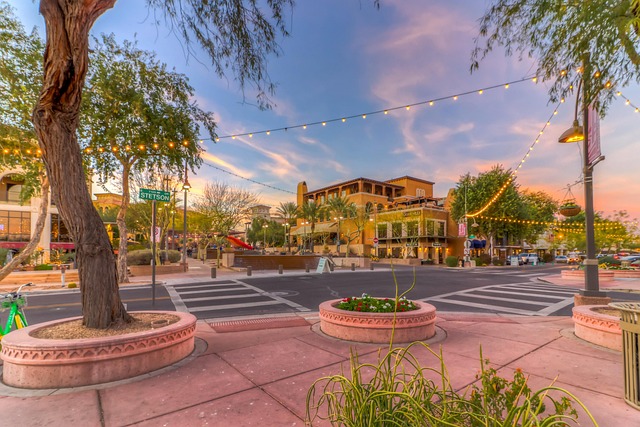
Community Gathering Hubs in Scottsdale thrive through diverse events fostering connection, creativity, and cultural exchange. Strategic location choices, market research, and inclusive design transform underutilized spaces into vibrant centers attracting locals and visitors alike. Scottsdale events naturally blend high-quality experiences with unique atmospheres, becoming top destinations for memorable gatherings. Key success factors include adaptable spaces, strategic promotion, and curating diverse offerings catering to broad audiences.
In the dynamic landscape of urban living, particularly within vibrant communities like Scottsdale events, creating and fostering strong community bonds is paramount. This article delves into the concept of a community gathering hub – a dedicated space that transcends mere geographical boundaries, serving as a focal point for social interaction, cultural exchange, and shared experiences. We explore the challenges inherent in cultivating such hubs, particularly in diverse urban settings. By examining successful models and best practices, we offer insights into how Scottsdale events can naturally evolve to create thriving community gathering spaces, enriching the fabric of local life.
- Defining the Community Gathering Hub in Scottsdale Events
- Identifying Key Locales for Optimal Engagement
- Designing Spaces That Foster Connection and Collaboration
- Strategies for Successful Event Planning and Community Building
Defining the Community Gathering Hub in Scottsdale Events
A Community Gathering Hub is a multifaceted space designed to foster connection, creativity, and celebration within a community—a central stage where people come together to experience Scottsdale events that transcend mere entertainment. Unlike traditional venues, these hubs cultivate an environment that encourages social interaction, cultural exchange, and the sharing of passions, making them ideal settings for various gatherings, from local concerts and art exhibitions to workshops and educational forums.
In Scottsdale, the concept has gained significant traction, with many venues adopting this approach to create unique experiences that resonate deeply with attendees. For instance, consider the annual Scottsdale Music Festival, which transforms public spaces into vibrant hubs of live music events, bringing together both local artists and international names under one roof. This not only invigorates the community but also attracts visitors from across the region, contributing to the city’s cultural vibrancy and economic growth. Similarly, art exhibitions that utilize community gathering spaces have seen increased engagement and participation, as people are drawn to immersive environments that encourage dialogue and shared appreciation.
The success of these hubs lies in their ability to adapt to a wide range of events, including those outside the realm of traditional concerts or art shows. Austin live music events, for instance, have been successfully replicated in Scottsdale’s gathering spaces, leveraging the same principles of community engagement and artistic expression. Data from recent studies indicates that such initiatives can boost local economies by attracting tourists and fostering a sense of community pride. To maximize the impact, event organizers should focus on creating diverse programming that caters to different demographics, ensuring that the hub remains a dynamic and inclusive space for all Scottsdale events.
Identifying Key Locales for Optimal Engagement
Identifying Key Locales for Optimal Engagement
The success of a community gathering hub, such as those found in Scottsdale events naturally thriving spaces, hinges on strategic location selection. To maximize engagement and accessibility, organizers must consider factors that attract diverse populations and facilitate meaningful connections. For instance, central business districts or vibrant cultural hotspots often serve as ideal hubs, offering both foot traffic and a pre-existing sense of community. In the case of Austin live music events, venues situated near entertainment districts or university campuses tend to draw larger crowds, ensuring a lively atmosphere.
Data supports this approach: studies show that public spaces with convenient access to mass transit, ample seating areas, and scenic views encourage longer durations and higher levels of interaction. Incorporating these elements into the design of community gathering hubs can significantly enhance their effectiveness. Think parklets along popular walking routes or outdoor stages overlooking scenic cityscapes – strategies employed in successful Scottsdale events naturally attracting locals and visitors alike.
Ultimately, identifying the right locale requires a deep understanding of the target demographic and their preferences. Conducting thorough market research and engaging with local stakeholders can provide invaluable insights. For instance, hosting Austin live music events in areas known for their artistic flair or organizing community gatherings in parks frequented by families can foster an inclusive environment that strengthens community bonds. By carefully selecting locations that resonate with the desired audience, community gathering hubs can become vibrant centers of social interaction and cultural exchange.
Designing Spaces That Foster Connection and Collaboration
Designing Spaces That Foster Connection and Collaboration
In today’s fast-paced world, community gathering hubs play a crucial role in fostering social connections and collaborative opportunities. Scottsdale events have long been renowned for their vibrant cultural scene, attracting locals and visitors alike. However, creating spaces that naturally encourage interaction and collaboration goes beyond hosting exciting austin live music events or pop-up markets. It involves thoughtful design considerations that cater to the diverse needs of a modern community.
Successful community gathering hubs understand the importance of versatile spaces that can adapt to various functions, from workshops and classes to social gatherings and performances. For instance, consider the transformation of abandoned warehouses into dynamic event spaces in cities like Austin. These once-neglected structures have been revitalized, offering venues for everything from art exhibitions and film screenings to yoga retreats and community dinners. Such adaptations not only breathe new life into underutilized spaces but also create diverse, inclusive environments that encourage residents to connect.
Expert designers emphasize the significance of open, flexible layouts that facilitate spontaneous interactions. Natural lighting, comfortable seating arrangements, and strategically placed communal tables or couches can all contribute to a welcoming atmosphere. Additionally, integrating technology in smart ways—think interactive displays, high-speed Wi-Fi, and digital booking systems—can enhance collaboration while ensuring accessibility for various events. By carefully considering these elements, community gathering hubs can become the heart of their neighborhoods, fostering a sense of belonging and nurturing creativity.
Strategies for Successful Event Planning and Community Building
Successful